
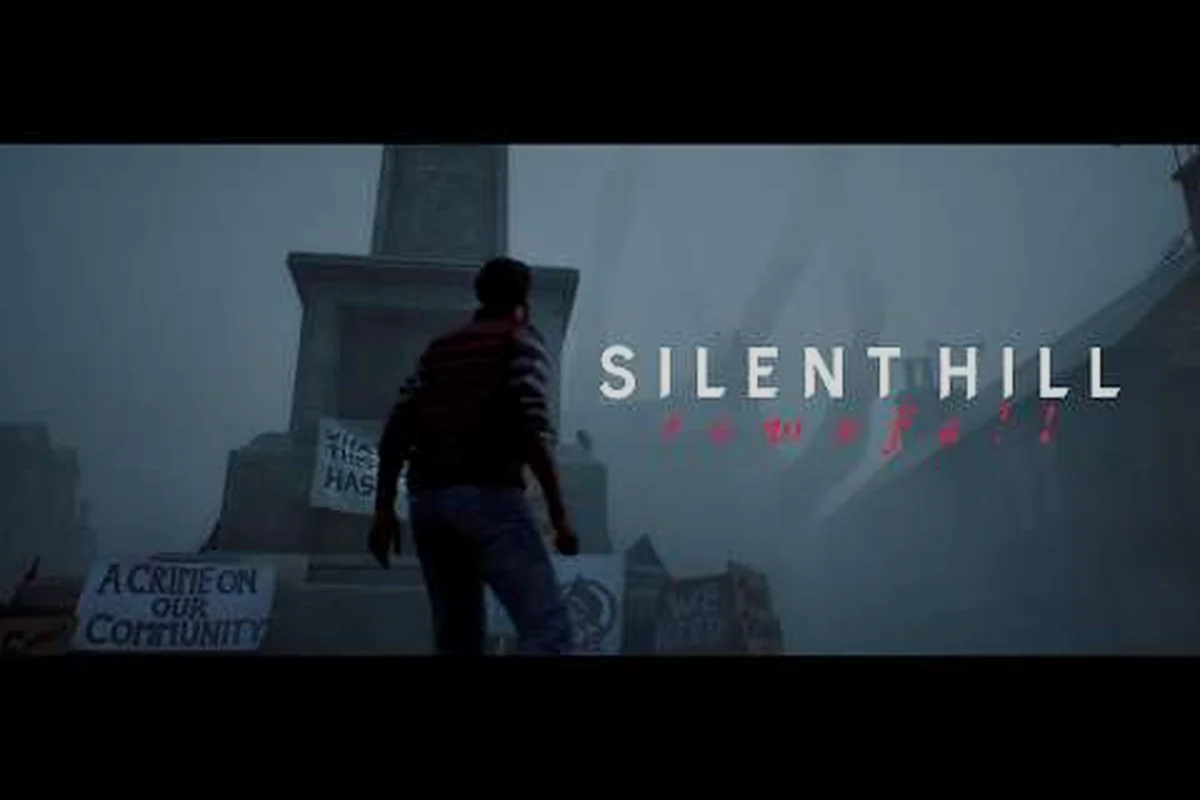
St. Amelia does not give second chances to players who charge in swinging. This SILENT HILL: Townfall beginner guide walks you through the survival loop that the game builds around you from the opening fog bank on the pier: scarce breakable melee weapons, a temperamental pocket television, and enemies that punish every sloppy swing. According to the official Steam page, the title is a first-person psychological horror by Screen Burn, releasing on September 24, 2026 for PS5 and PC, and the combat system is intentionally clumsy, which means reading the rules below before the first encounter saves a real attempt on your limited health pool.
Getting Oriented on St. Amelia: The Survival Loop Explained
St. Amelia, the fictional Scottish North Sea fishing island where SILENT HILL: Townfall takes place in 1996, is built around a tight loop that every beginner needs to internalize before the fog closes in. You explore a small cluster of streets and shorelines, scavenge whatever you can pry from the environment, manage a single pocket television called the CRTV, and decide in real time whether each new noise is a fight, a stealth opportunity, or a reason to back away entirely. The community on r/silenthill has repeatedly framed the early hours as a resource puzzle rather than an action game, because your inventory, your stamina, and your information about nearby creatures all drain at the same time.
Three pillars hold that loop together, and you will see them touched in every later system in the game.
| Pillar | What It Does | Beginner Mistake to Avoid |
|---|---|---|
| Exploration | Diegetic map, in-world phones for saving, scattered notes | Running past readable items to chase the next door |
| Scavenging | Limited breakable melee weapons, bottles, bricks, occasional ammo | Using a fresh plank on the first enemy you meet |
| Information | CRTV pocket TV scanning analog signals for silhouettes and puzzle hints | Ignoring the static when nothing is on screen |
The first pillar, exploration, is slowed on purpose. There is no minimap with quest markers; instead, you read an in-world map you physically unfold and study, and you save the game by finding payphones tucked into corners. According to the PlayStation Store description, the setting is Simon Ordell returning to the fog-shrouded island to piece together his connection to the town, so every street sign and scribbled note is worldbuilding that also tells you where it is safe to walk next. The community on r/silenthill has noted that players who skip the readable clutter often walk past the one phone that would have saved their last fifteen minutes of progress.
The second pillar, scavenging, is the Silent Hill design philosophy at full strength. Melee weapons in SILENT HILL: Townfall are intentionally breakable, and you start with a thin plank, a rusted pipe, and a fire axe that you can find if you backtrack through the first fishing shack. Bottles and bricks are throwable distractions, and the late-game revolver hits hard but pulls every nearby creature toward the gunshot noise, so resource scarcity is not flavor text; it is the boss of the early game. Treating every plank as if it has a finite number of swings, and reading the small white durability bar above your equipped weapon before each fight, is what separates a clean first run from a run that ends in a hallway because you swung through a wall and broke the only thing holding a creature at bay.
The third pillar, the CRTV pocket television, is the series' classic radio reimagined for a 1996 analog nightmare. When you tune the dial, you can sometimes catch silhouettes of nearby creatures, and you can also pick up story fragments and puzzle hints buried in static. For more detail on the puzzle side of the device, the puzzle solutions guide covers signal-tuning recipes that build on what this article introduces, but for now the key beginner habit is to flick through every frequency whenever you enter a new room, because the static carries information that the eyes alone do not.
The Core Combat Rules Every Beginner Must Learn
Combat in SILENT HILL: Townfall is loud, clumsy, and biased toward the enemy, which is exactly why the game's difficulty curve feels fair once you understand it. According to the Escapist review, the combat is intentionally clumsy with wild melee swings and unreliable blocks, and the enemies you face are tumorous creatures with axe-like heads or syringes embedded in open wounds. That sounds intimidating, but every encounter in the opening hours is tuned around a single design choice: the game wants you to think about whether you should be fighting at all.
The Breakable Melee Economy
Your melee weapons degrade with every hit, and the small white bar above your equipped item is the only thing standing between you and being stuck with your fists in a dark alley. Most weapons last between four and ten successful strikes depending on weight, and heavier weapons like the Fire Axe deal more damage but drain the durability meter noticeably faster per swing. The community generally agrees that beginners should keep at least two melee weapons in their quick-access slots at all times, because the worst feeling in the game is watching your only plank snap in half while a creature is still walking toward you.
| Weapon | Damage Tier | Durability Tier | Best Use Case |
|---|---|---|---|
| Wooden Plank | Low | Low (4-5 hits) | Opening tutorial, very early fights |
| Rusted Pipe | Medium | Medium (6-7 hits) | Standard corridor fights |
| Fire Axe | High | Medium-Low (5-6 hits) | Heavy single-target trades |
| Bottles / Bricks | Throwable distraction | Single use | Pulling enemies away from tight corners |
The throwables in the bottom row are not weapons in the traditional sense. According to GamingBolt's review, you can throw bottles and bricks to create noise that pulls creatures toward the impact point, which is the foundation of every stealth option in the early game. A bottle tossed down a hallway buys you the three or four seconds you need to slip past a creature, and because every throwable is single-use, the discipline of choosing between using one now or saving it for the next room is the same kind of decision you will make with melee durability throughout the run.
Blocking, Dodging, and Stamina Management
The block input is your most important defensive tool, and it is the part of combat most beginners misread at first glance. You raise the weapon to deflect a hit, but the window is short and the recovery is long, so a mistimed block is often worse than no block at all. Stamina governs how many swings, blocks, and dodges you can chain before you are left panting and vulnerable, and the green bar drains faster than most beginners expect on the first attempt. The community recommends tapping the block button right before the creature's arm comes down, rather than holding it, because holding the block drains stamina continuously while a timed tap costs only a single chunk.
If you want a deeper walkthrough of the stamina, health, and inventory numbers that govern this system, the how to block attacks guide covers the stamina cost of each defensive action and the situations where a dodge is better than a block. For now, the beginner habit to build is to enter every fight with a mental count of how many swings and blocks you can afford before stamina forces you to disengage.
When to Run, When to Hide, When to Fight
The single biggest decision the game asks of you is whether each encounter is worth the durability, stamina, and health cost. Hiding in cupboards or peeking around cover to spot creatures before they spot you is part of the core design, and the Escapist review directly compares this moment-to-moment tension to Alien: Isolation. There is no shame in closing a door, walking to the next room, and coming back when you have a better weapon or a clearer understanding of the patrol pattern.
| Situation | Recommended Action | Why |
|---|---|---|
| One creature, open space, fresh weapon | Fight | Clean swing, easy break, full loot |
| Two or more creatures in a narrow hall | Stealth / Distraction | Multi-fight drains durability fast |
| Unknown room, door half-open, sound inside | Observe from cover first | Avoid surprise stamina drain |
| Low health, low durability, late area | Run toward the next phone | Save progress before losing it all |
The same instinct applies to the CRTV in the middle of a fight, because flicking through frequencies while a creature is closing the distance is a quick way to lose stamina you did not need to spend. The community testing on r/silenthill has noted that the cleanest beginner runs treat the CRTV as a between-fights tool, not a during-fights tool, because the few seconds it takes to find the right signal are seconds the enemy is not being watched.
The CRTV Pocket TV: Your Early-Game Information Tool
The CRTV is the device that makes the Silent Hill Townfall beginner guide worth reading, because without it you are wandering a fog bank with a half-broken plank and no idea what is around the next corner. It is a portable analog television that Simon Ordell carries from the start, and the PlayStation Store page describes it as a reimagining of the series' classic radio, scanning unstable analog signals for threats and hidden story clues. Two frequencies matter for beginners: one that reveals silhouettes of nearby creatures so you can see them through walls, and another that surfaces static-laced hints for the room's puzzle.
| CRTV Frequency | What You See | When to Use |
|---|---|---|
| Creature Scan | Red silhouettes of nearby enemies | Before opening any closed door |
| Static Lore | Story fragments, audio logs | While walking long empty corridors |
| Puzzle Hint | Subtle visual cue on a nearby object | Inside locked rooms with interactable props |
| Ambient Noise | No creatures, but wind and fog cues | After clearing a room, before moving on |
The creature scan is the most beginner-relevant frequency, because it turns the unknown into a choice. Instead of opening a door and hoping nothing is on the other side, you flick to the silhouette channel and see whether the hallway behind the door is empty, occupied, or occupied by something larger than you can currently handle. According to community testing, the silhouette range is short, so you have to be standing close to a wall or door for the signal to register, and the signal flickers when multiple creatures are in range at once.
The puzzle hint frequency is where the CRTV stops being a survival tool and becomes a navigation tool. Some locked rooms contain a single interactable object that glows faintly only when the right signal is active, and the puzzle solutions guide linked earlier catalogs which signal combinations unlock which doors. As a beginner, the safest habit is to tune through every frequency whenever you enter a new room, because the cost of two seconds of attention is much lower than the cost of missing the one prop that would have opened the path forward.
Health, Healing, and Resource Management Basics
Health in SILENT HILL: Townfall is measured with a diegetic heartbeat that grows louder as you take damage, and healing items are scarce enough that the community compares the early game to a resource management puzzle rather than a shooter. Health pickups are usually a small bottle of antiseptic or a single bandage, and the game does not let you carry more than a handful at a time. The same scarcity applies to ammunition for the late-game revolver, which is why most beginners never fire it unless they are certain the shot will end the fight cleanly.
| Resource | Carry Limit (Early Game) | Recovery Source |
|---|---|---|
| Health pickups (bandage, antiseptic) | 3-4 total | Medicine cabinets, first aid kits on walls |
| Bottles / Bricks | 4-6 total | Shattered floor debris, shelves, breakable crates |
| Melee weapons (equipped + quick slots) | 3 total | Fishing shacks, garages, abandoned cars |
| Revolver ammo | 6-12 rounds | Hidden drawers, late-area caches |
The community on r/silenthill has noted that the cleanest early runs come from players who treat the inventory as a closed system. If you pick up a fresh melee weapon, you should drop the broken one in a place you can come back to, because the inventory cannot hold infinite items and you will eventually need to choose between carrying two functional weapons or one functional weapon plus a stack of throwables. According to GamingBolt's review, the limited toolset of breakable melee weapons plus a pistol plus thrown bottles and bricks is the entire combat vocabulary for most of the campaign, which is why every slot matters.
If you want a more detailed walkthrough of the durability math and the breakpoints where a weapon becomes a liability rather than a tool, the melee weapons guide goes deep on which weapons to keep, which to drop, and when to switch mid-fight. The short beginner version is: drop a weapon only when the durability bar is empty, never before, because a half-broken plank is still better than your fists against the second creature of the night.
Stealth, Fog Navigation, and Smart Evasion
Stealth is the half of the survival loop that beginners most often skip, and it is the half that makes the late game feel manageable. The Escapist review describes the monster encounters as favoring selective confrontation and stealth over constant fighting, and the PlayStation Store page lists selective confrontation as a key feature of the title. The fog on St. Amelia is not just a visual gimmick; it reduces your visibility to creatures the same way it reduces your visibility to the next landmark, and the community has shared that some creatures are visually impaired in heavy fog and will lose aggro if you break line of sight through a cloud bank.
| Stealth Tool | Cost | Effect |
|---|---|---|
| Throw bottle / brick away from you | 1 throwable | Pulls creature toward impact site |
| Crouch walk | Stamina tick | Quieter footsteps, slower movement |
| Hide in cupboard / locker | None | Breaks aggro chain if door closes in time |
| Break line of sight through fog | Stamina burst | Some creatures de-aggro in heavy fog |
| Wait behind cover | Time | Creature may walk past on patrol |
The cupboard and locker hiding mechanic is the most reliable emergency button in the game, and it is the closest thing SILENT HILL: Townfall has to a panic room. You open the door, walk in, close the door behind you, and the creature walks past, usually scratching at the wood for a few seconds before moving on. According to GamingBolt, hiding in cupboards or peeking around cover for monster glimpses is part of the core design, so the question is not whether to use the mechanic but how often.
If you want a more detailed walkthrough of patrol patterns, line-of-sight angles, and the specific encounters where stealth is the only realistic option, the stealth guide covers the situations where a thrown bottle is the better choice over a swing, and where walking away is the right call. The short beginner version is: if a creature has not seen you yet, you do not need to fight it, and you do not need to throw anything at it. You can simply walk past, especially in fog.
Fog navigation also matters for the inventory and stamina loop, because wandering into a fog bank without knowing where the next landmark is burns stamina that you would rather spend on a fight. The community recommends sticking close to walls, lamp posts, and the painted road lines that show up faintly on the asphalt, because those are the visual anchors the game gives you before the CRTV silhouette scan fills in the rest. If you want more detail on the exploration pacing, the exploration and ammo conservation guide covers how to balance the temptation to open every door against the reality that some doors lead to dead ends that drain your resources anyway.
Common Beginner Mistakes and How to Avoid Them
Most first playthroughs of SILENT HILL: Townfall die for the same handful of reasons, and the community has been cataloging them on r/silenthill since launch. The mistakes cluster into four groups, and each one has a clean counter that any beginner can adopt from the start.
| Mistake | Why It Hurts | The Fix |
|---|---|---|
| Swinging on every creature | Burns durability, drains stamina, attracts more enemies | Watch first, fight only when forced |
| Skipping readable notes | Misses save phone locations and puzzle hints | Slow down in every new room |
| Hoarding health pickups | Carries too few to survive the next fight | Use health pickups at 50% or lower |
| Forgetting the CRTV | Walks into rooms blind, misses puzzle cues | Flick through every frequency in new rooms |
| Saving only at safe rooms | Loses 20+ minutes of progress on one bad fight | Save at every phone you find, no exceptions |
The swinging mistake is the most common, and it is the one the Escapist review flags directly when it says combat is intentionally clumsy with wild melee swings. Beginners who come from faster action games tend to mash the attack button and hope the enemy dies before the weapon does, and the result is usually a broken plank, half stamina, and a creature that is now fully alerted to your position. The fix is mechanical: swing once, step back, swing once, step back, and only commit to a flurry when the creature is staggered or recoiling from a previous hit.
The save phone mistake is the one that hurts the most, because it turns an otherwise recoverable death into a twenty-minute setback. According to the PlayStation Store page, phones are the diegetic save mechanic, which means there is no autosave and no quicksave; you have to physically find a phone, interact with it, and watch the save animation play out. The community on r/silenthill has shared that the most successful beginners treat every phone like a checkpoint in a classic survival horror game: backtrack to it, save, then push forward.
Frequently Asked Questions
What is the first thing I should do in SILENT HILL: Townfall?
Walk slowly through the opening pier area, pick up the wooden plank and the first bottle you see, and tune the CRTV through every frequency before opening the first door. According to the official PlayStation Store description, the CRTV scans for unstable analog signals, so the first habit to build is treating every closed door as a question the device can answer before you swing it open.
How do I block attacks without losing all my stamina?
Tap the block button right before the creature's arm comes down rather than holding it, and chain your blocks to the visible wind-up animation of the enemy. The community on r/silenthill has noted that holding block drains stamina continuously while a timed tap costs only a single chunk, which is the difference between a sustainable fight and a stamina crash that leaves you open to a follow-up hit.
Should I use the revolver I find in the late game?
Only when the shot is guaranteed to end the fight, because the noise attracts every nearby creature and reloads are painfully slow. According to the Escapist review, the late revolver hits hard but reloads slowly and attracts creatures via noise, so direct fights should be reserved for enemies that have already seen you and cannot be evaded through stealth.
Is stealth really required, or can I fight through every encounter?
Stealth is not strictly required, but it is the design intent. According to GamingBolt's review, the game compares its peek-around-cover tension to Alien: Isolation, and the PlayStation Store lists selective confrontation as a key feature, which means the cleanest runs are the ones that pick their fights instead of taking every one the game offers.
Where do I save my progress?
At diegetic payphones scattered through St. Amelia, which the PlayStation Store description explicitly calls out as the save mechanic. The community has noted that phones are sometimes tucked into corners that look like dead ends, so backtracking a few steps before opening the next door often reveals a phone you would otherwise have walked past.