
Story
SILENT HILL: Townfall story explained: spoiler-tiered plot summary, 1996 Scotland setting, themes, timeline placement and the Dock House comic tie-in.
Introduction
Townfall's story is a slow reveal about why Simon Ordell came back to St. Amelia, and our coverage is built in spoiler tiers so you can engage at your own depth. The premise is compact: it is 1996, the island town feels abandoned but clearly is not, and a first-person camera keeps you locked inside Simon's head as fog, static and institutional memory close around him. Open pages cover the setting, the confirmed cast relationships and the themes the developers have discussed publicly — introspection, loss and consequence — while folded sections handle the plot turns that determine which of the five endings you reach. We also track how Townfall sits in the wider series timeline, what the Dock House prequel comic adds before launch, and where the real-world Fife village of St Monans bleeds into the fictional island's geography.
Story Layers at a Glance
| Layer | Content | Spoiler Level |
|---|---|---|
| Setting | St. Amelia, Scotland, 1996 | Open |
| Setup | Why Simon returns to the island | Open |
| Mid-Game Turns | Relationship reframes & island history | Folded |
| Finale & Endings | Final choice logic and five conclusions | Hard Spoiler |
Story Components
The Setting
Cold, isolated Scotland in 1996 — a first for the series outside the US
The Setup
Why Simon returns to the abandoned-feeling town of St. Amelia
Themes
Introspection, loss and consequence woven through psychological horror
Canon & Comic
Where Townfall sits in the series timeline plus the Dock House prequel
Core Mechanics
The story runs on a deliberately information-scarce engine. Instead of cutscene dumps, Townfall parcels narrative through three channels: environmental evidence you physically find, residual broadcasts the CRTV pulls out of the walls, and conversations that end the moment they stop being useful to the people having them. The wide-linear ending ledger watches how you engage with each channel — whether you seek the full account of what happened or turn away, whether you act on recovered truth or bury it — and those patterns accumulate across the campaign into one of five conclusions. Act structure keeps the island segmented into districts that each close behind you, so the narrative literally moves in one direction: every locked gate is both a level-design boundary and a story beat. Understanding this machinery lets readers place any individual scene on the spoiler ladder before they read it, which is exactly what our tiered story pages are built to do.
Advantages
Writing about Townfall spoiler-tiered means the story section serves three audiences at once without contaminating any of them: the prospective buyer reading only premise pages, the mid-run player checking setting and theme context, and the post-finale reader opening the full analytical breakdowns. The setting-first organization also rewards the game's greatest strength — place as character — by documenting St. Amelia as a coherent geography rather than a sequence of scary rooms, which noticeably helps players orient during their own runs. Because endings are behavioral rather than prompt-based, our theme articles double as practical endings primers: understanding what the game considers consequence is understanding what its ending ledger measures. And the canon page gives series veterans the timeline reassurance they want while explicitly confirming that newcomers need nothing else, which is the most common pre-purchase question this category receives.
Challenges
The core tension of covering a mystery is that completeness and freshness oppose each other: full plot summaries necessarily destroy the experience they document, so a meaningful share of this category stays folded or post-finale-only by design, which can feel thin to readers skimming previews. Chapter structure remains partially community-inferred — only the opening 'Arrival' segment has widely agreed naming, and we avoid asserting an official chapter table the game does not print. The Dock House comic's intersections with the game are still being catalogued issue by issue. And because Townfall shipped only days ago, some thematic readings circulating online derive from early press builds or partial runs; anything we cannot verify against the release build carries an explicit caveat rather than being presented as settled analysis.
Frequently Asked Questions
Do I need to play older SILENT HILL games first?+
How long is the story?+
What does the Dock House comic add?+
Quick Tips
Read story pages matched to your current act, not ahead of it. The spoiler ladder exists because Townfall's reveals recontextualize earlier scenes — reading a finale analysis before your first ending does not just spoil the twist, it subtracts replay value from the run you are currently on. Advancing one act further is usually enough to accidentally spoil three folded pages ahead.
Use the setting pages as a map orientation tool. Because St. Amelia is documented as a coherent geography rather than a list of scenes, skimming the locations cross-reference while you play keeps you oriented in the fog without consulting a full walkthrough every time you exit a harbor building. Ten minutes with the geography pages replaces most mid-run map confusion later.
Treat the 1996 date as load-bearing, not decoration. Period details — CRT technology, the absence of smartphones, institutional records on paper — both justify the game's core mechanics and constrain what its mystery can plausibly do, which makes the setting page the fastest way to understand why the story unfolds the way it does.
Featured
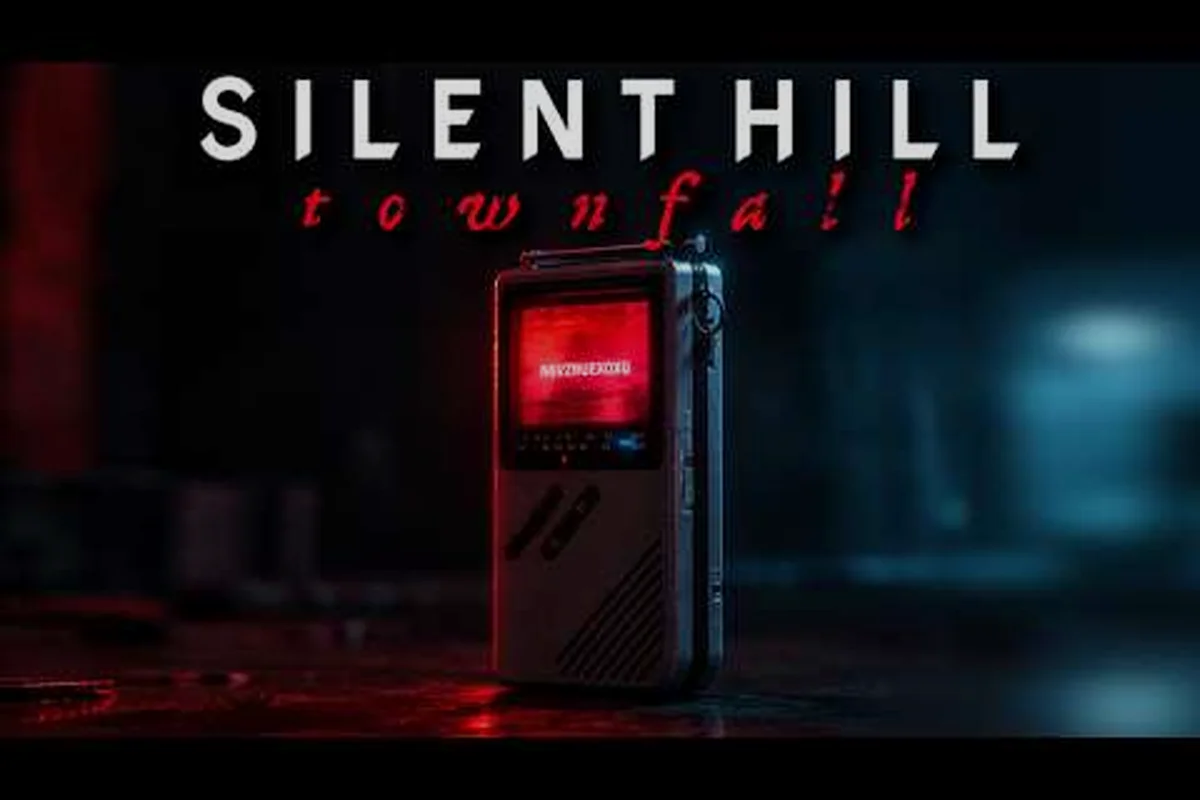
SILENT HILL: Townfall 1990s Horror – Roots, Comics & Fog Lore
Explore Silent Hill Townfall 1990s horror roots, from the tie-in Dock House comic to psychological horror themes and the secrets buried beneath St. Amelia.
SILENT HILL: Townfall Narrative Explained Scene by Scene
Follow the Silent Hill Townfall narrative explained without spoilers, mapping Simon Ordell's arc, key cutscenes, and the island town's pull on every chapter.
SILENT HILL: Townfall Story Summary – Plot & Simon's Arc
Get a full Silent Hill Townfall story summary of Simon Ordell's return to fog-shrouded St. Amelia and how past fragments reshape his arc.
All Articles
SILENT HILL: Townfall Story Explained – Plot, Lore & Timeline
Unravel the Silent Hill Townfall story explained from Simon Ordell's 1996 return to fog-shrouded St. Amelia, the plot twists, and the lore threading every ending.
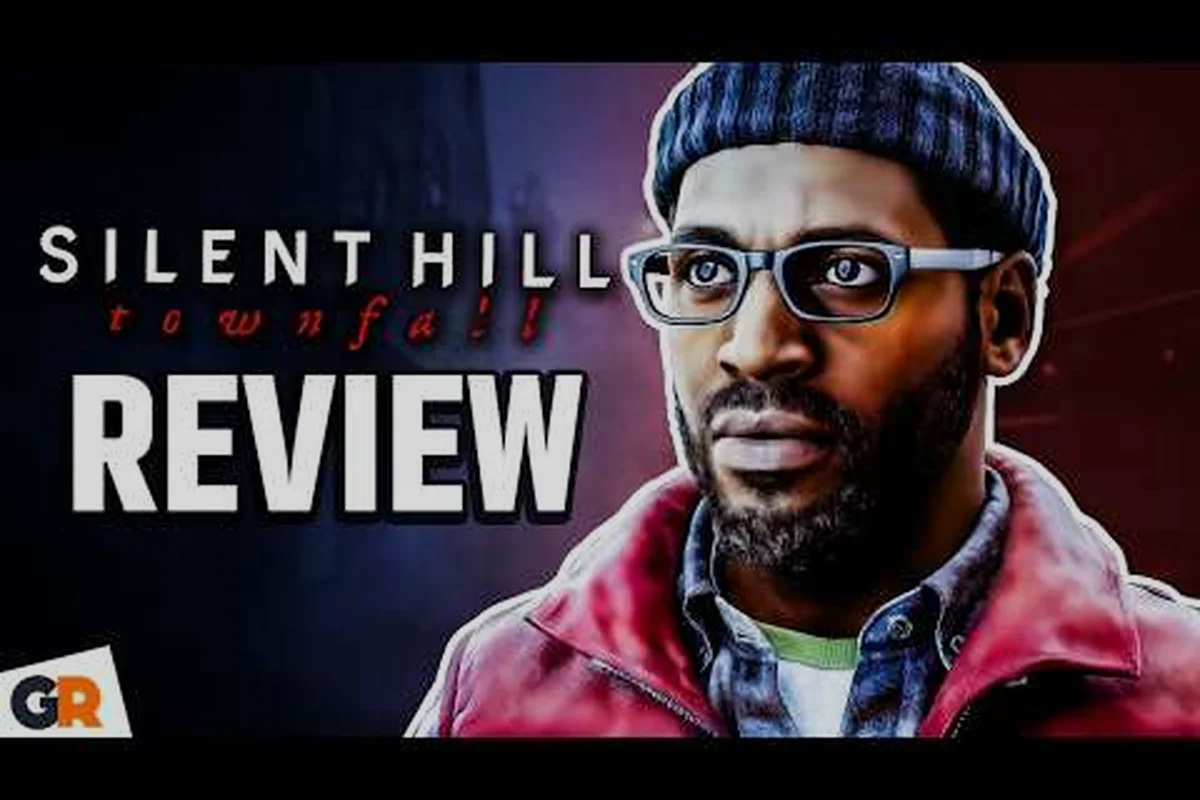
SILENT HILL: Townfall Canon Timeline – St. Monans to 1996
Trace the Silent Hill Townfall canon timeline from the real St. Monans inspiration through Simon's 1996 return, connecting plot twists and lore beats across the fog.
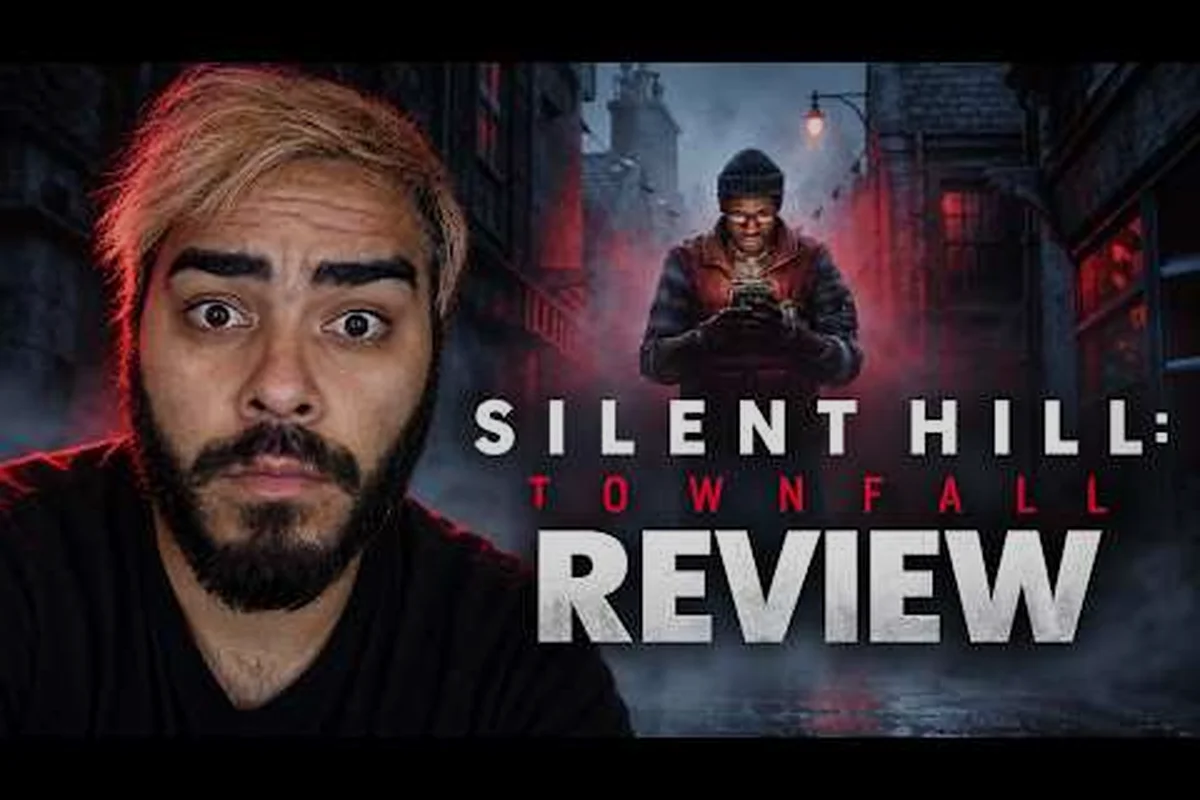
SILENT HILL: Townfall Truth Behind the Static – Themes
Unpack the Silent Hill Townfall truth behind the static with a theme analysis of premonition fragments, Simon's ties to the town, and every ending's meaning.